
At a Glance
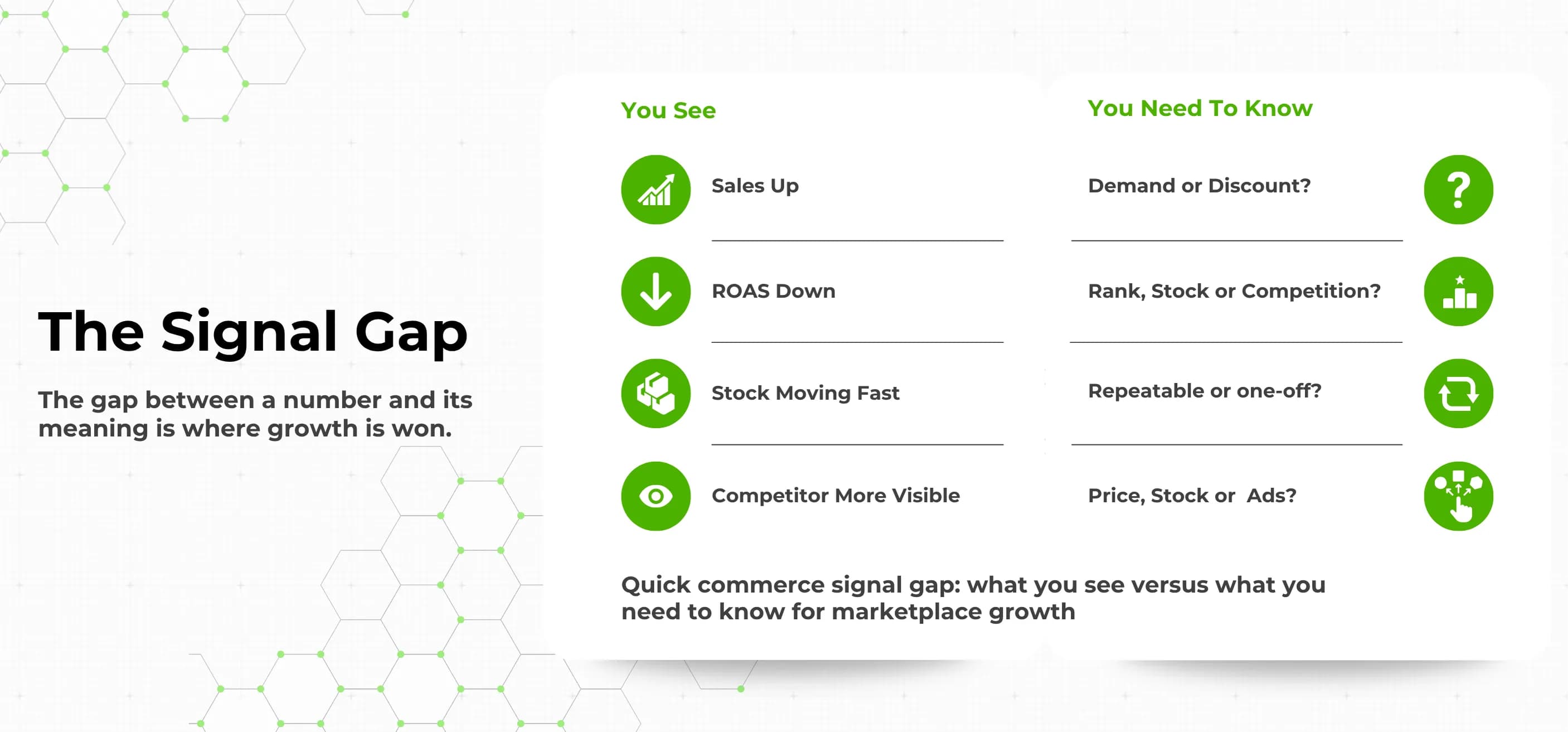
Quick commerce growth rarely breaks because a brand missed a problem. It breaks because the signals behind growth get read in isolation:
To move from a sale to real scale, brands need to read three things together: category opportunity, inventory availability, and paid visibility.
Being listed on Blinkit, Zepto, or Instamart used to be the edge. Now it is table stakes. The channel is huge, driving over two-thirds of India's e-grocery orders in 2024. But scale and profit are not the same thing.
In one recent survey, roughly 70% of brands called quick commerce less profitable than their other channels. Sales rise, while commissions, fees, and ad spend eat the margin.
The reason is simple. A product can sell for many different reasons: real demand, a discount, a paid push, or a competitor going out of stock. Each one calls for a different move. When teams cannot tell which reason is driving a result, they scale the wrong things and pour budget into wins that were never going to repeat.
Every founder-led discussion, on forums and in interviews, names the same problem. Sales look fine on the surface, but brands are flying blind on what is actually working underneath. That gap, growth up and profit flat, is the quiet math this piece is about.
Growth stops paying when any one of three signals gets misread. Here is what to watch.
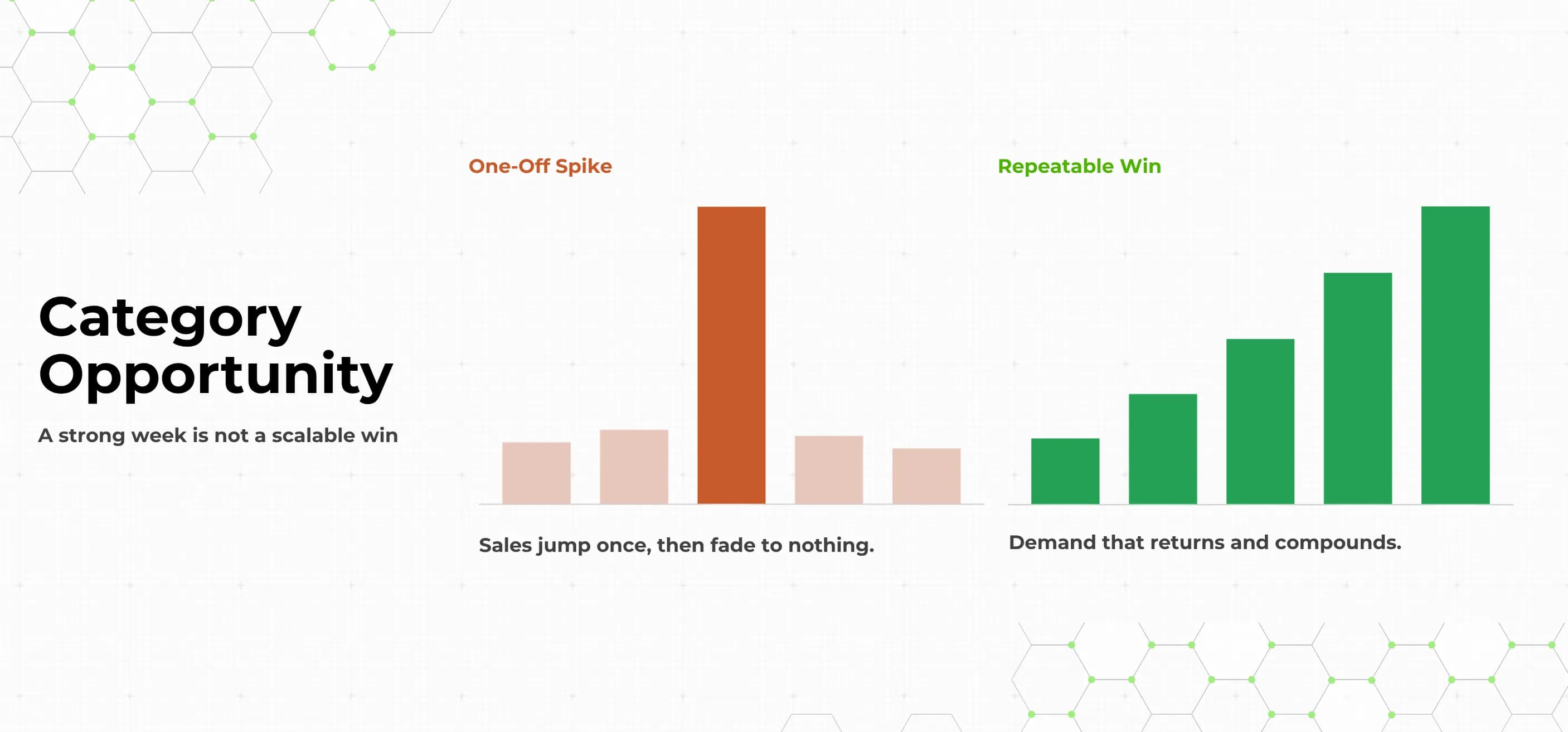
A big sales week is not proof a product is ready to scale.
Before you add stock, cities, or ad budget, ask whether the win will hold under more demand, on price, ranking, and margin.
On quick commerce the real opportunity sits in a narrow pocket, like single-serve impulse packs in high-frequency urban markets.
Pricing matters too, because the same product plays a different game on each platform. On one app most SKUs carry a discount, on another they sell at full price. Impulse-led, well-priced pockets thrive. Low-margin or slow movers rarely survive the economics. Back the demand that repeats, not the spike that fades.
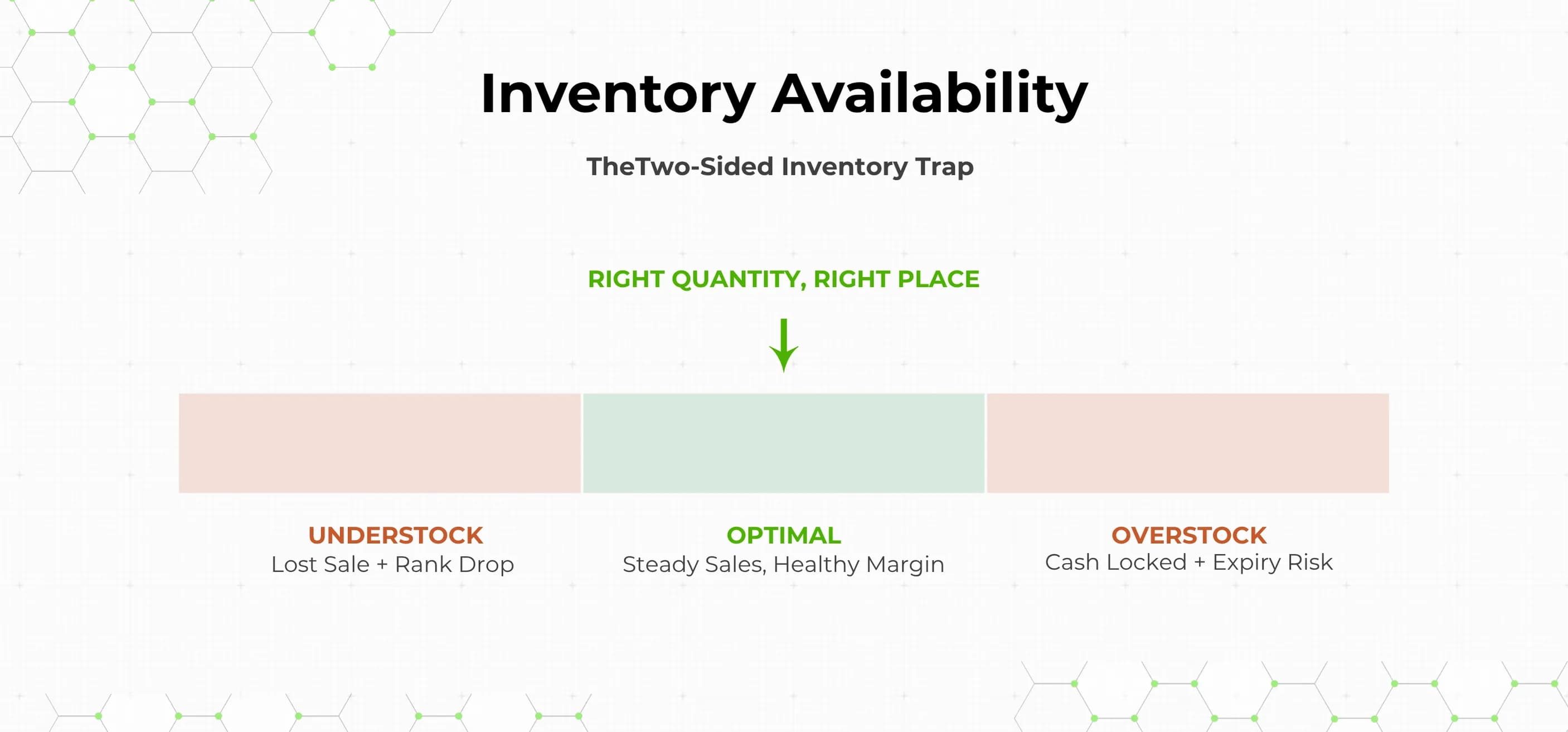
Inventory is a growth signal, not just an ops metric.
Demand can jump overnight, festive weeks especially, while platforms keep raising orders as it climbs. So “send more stock” is rarely the answer.
Treat replenishment as an allocation decision: the right quantity in the right market before demand peaks, because here the penalty for getting it wrong lands in hours, not weeks.
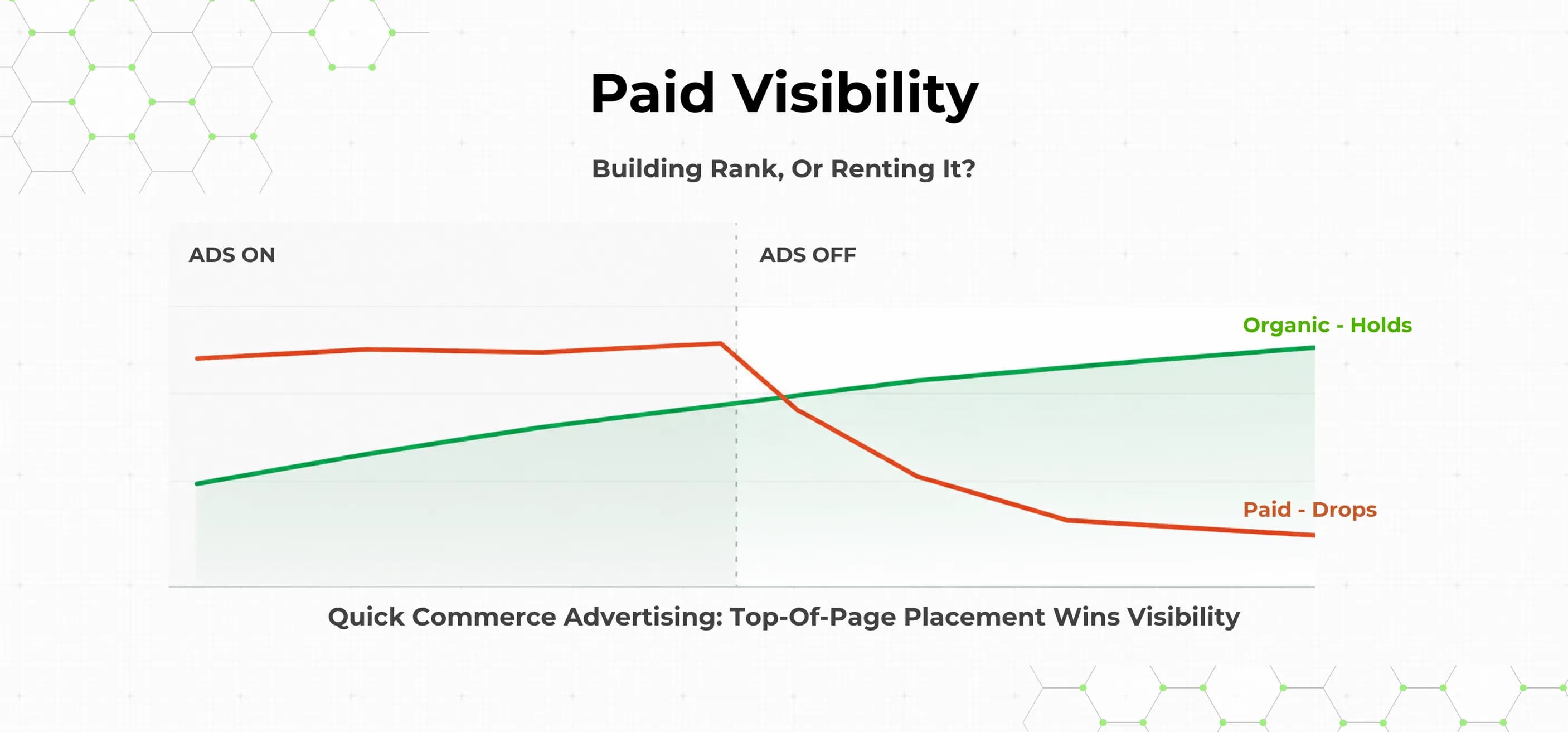
Quick commerce advertising is now central to growth, and expensive to misread. Ad revenue on these platforms is projected to reach ₹4,900 crore in 2026, up from about ₹3,000 crore.
Placement is increasingly rented through fees, promotions, and merchandising, and that spend can add roughly 18 to 20% to the cost of a sale. That makes quick commerce visibility one of the most expensive lines to misread.
The real question has shifted from “what do ads cost?” to “what share of my sales is now bought with spend versus earned organically?” This is where retail media optimization matters: judge spend by what it builds, not just what it sells.
The test is simple. If sales stop when the ads stop, you are renting visibility, not building it.
The catch: these three are not separate problems. One signal changes the meaning of another. A sales spike may be discount-led. A weak campaign may really be an availability gap. A strong product can stall on price or thin visibility. Read any one in isolation, and you will never connect the dots to what actually needs fixing.
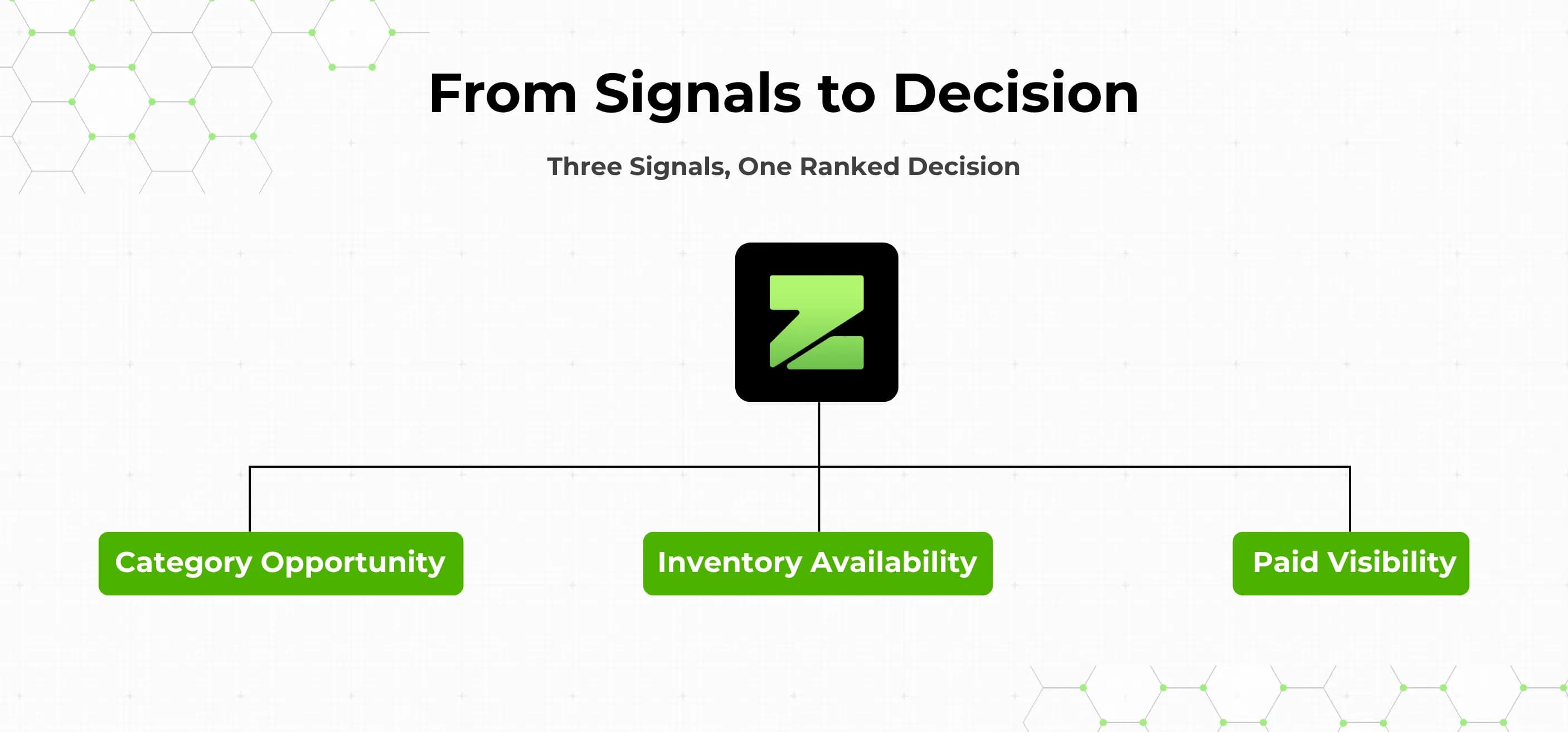
The fix is to stop reading category, inventory, and ad reports on their own, and start ranking your next moves across all three in one view.
That is what Zodiac is built to do. Its agentic AI layer connects opportunity, availability, pricing, competitor movement, and ad performance into a single decision layer. It scores which products are worth scaling, flags demand and availability risks before they hit sales, and shows whether your spend is building rank or leaking margin. Your team gets one ranked view of what to scale, what to fix, and where to spend. Less time compiling reports, more time making decisions.
Growth in quick commerce is not about doing more. It is about knowing which signals are strong enough to build on, and acting before the window closes.
The brands that win the next phase will not have the biggest budgets. They will be the ones that can tell apart a repeatable win from a lucky sale, fast enough to act on it.